

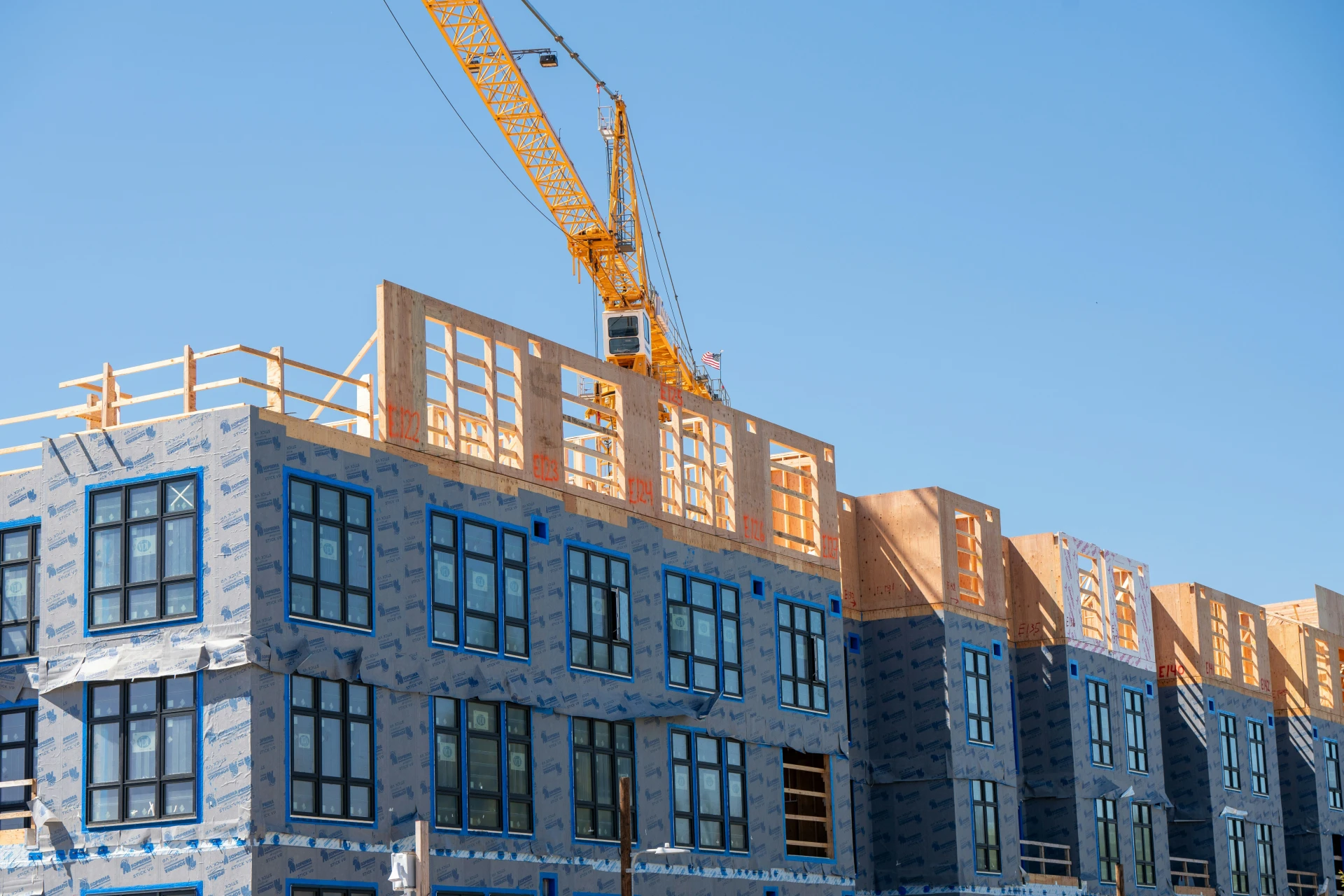
Building a large assisted living facility in Miami (roughly between 100 to 300 beds) moves a project into institutional-scale complexity. AHCA oversight at this level is not just a regulatory checkpoint. It becomes a continuous framework that dictates how the building is designed, how systems are coordinated across multiple wings, how construction is sequenced, and how risk is managed throughout the development cycle. Small coordination gaps that would be correctable in smaller builds become full-scale integration challenges at this size.
At this level, AHCA approval is no longer just a regulatory checkpoint or a design validation step. The larger the facility, the more interconnected systems become and the more critical it is that AHCA expectations are embedded from the very beginning.
Large ALF projects don’t simply extend mid-size rules. They amplify them. What were coordination pressure points in an under-50-bed or 50–100-bed facility, now become full-scale integration challenges in a 100–300-bed environment.
Here’s what changes as you scale and what matters most during pre-construction and construction.
Scale Changes Coordination
The Florida Agency for Health Care Administration (AHCA) is responsible for licensing and regulating assisted living facilities statewide, with a focus on life safety, accessibility, and operational readiness.
For large ALFs in the 100–300-bed range, AHCA oversight expands significantly because the building must safely support a much higher resident population across multiple care environments.
At 100–300 beds, projects often include:
- Multiple wings or buildings
- Memory care and enhanced-care units
- Centralized dining, wellness, and amenity hubs
- Dedicated staff and clinical support zones
- Vertical circulation systems (elevators, stairs, service corridors)
AHCA is evaluating not just compliance at the unit level, but how the entire facility performs as an integrated system. That’s why for projects like these, coordination is no longer a background task. It becomes one of the primary drivers of outcome.
Each added layer increases system interdependence. Mechanical, electrical, fire protection, and structural systems are no longer isolated scopes – they are interlocked across zones and building segments. A change in one area can cascade across multiple systems.
Inspection Sequencing Becomes More Sensitive
Large assisted living facilities still follow structured AHCA inspection milestones, but the impact of each inspection phase increases significantly.
Typical phases include pre-construction and ongoing construction compliance reviews, an 80% completion inspection, and a final inspection prior to occupancy approval.
At the 80% stage, AHCA evaluates:
- Life safety system installation across all zones
- Mechanical, electrical, and plumbing rough-ins at full scale
- Fire protection system integration across buildings or wings
- Compliance with approved architectural layouts
In large facilities, this inspection becomes a system-wide checkpoint. A single deficiency can affect multiple wings or trigger corrective work across disciplines.
At final inspection, AHCA verifies full operational readiness across all building systems, and even small deviations can create disproportionate schedule impacts due to system scale.
Documentation is Coordination Control
For AHCA construction projects, detailed documentation is a non-negotiable because at the end of the day, paperwork can ultimately make or break your project.
If documentation breaks down, coordination breaks down with it, and with 100–300 beds, documentation complexity increases because work is often phased across multiple areas simultaneously, multiple subcontractor teams operate in parallel, and system installations are interdependent across zones.
AHCA approval depends heavily on traceability across all of it.
Why Experienced Oversight is Critical
Large assisted living facilities do not fail because of a single major issue. They typically struggle when small coordination gaps accumulate across systems, disciplines, and phases. Large ALFs require a level of coordination discipline that must be maintained continuously, not reactively.
At this scale, AHCA approval depends on:
- Early system-level alignment during design
- Consistent cross-discipline coordination throughout construction
- Structured inspection readiness planning
- Tight documentation control across all trades
- Active oversight to manage cascading impacts of change
At Seacoast Consulting Group, we’ve guided numerous healthcare clients through AHCA plan review and inspection. Our team works to ensure that every element of your build meets the highest standards for safety, compliance and patient care.
If you’re planning a new medical facility or renovation in South Florida, don’t let regulatory hurdles slow you down. Contact our team to schedule a free consultation and learn how we can help you navigate the AHCA buildout and inspection process with seamless coordination.
FAQs:
How does AHCA oversight change for large assisted living facilities with 100–300 beds in Florida? For large assisted living facilities in the 100–300-bed range, AHCA oversight expands significantly. The agency evaluates not just individual unit compliance, but how the entire facility performs as an integrated system across multiple wings, care zones, and building segments. Mechanical, electrical, fire protection, and structural systems are interlocked across zones, meaning a change in one area can cascade across multiple disciplines requiring a level of coordination discipline that smaller projects do not face.
What does the AHCA 80% inspection involve for a large assisted living facility? At the 80% stage, AHCA evaluates life safety system installation across all zones, mechanical, electrical, and plumbing rough-ins at full scale, fire protection system integration across buildings or wings, and compliance with approved architectural layouts. In a large facility this inspection becomes a system-wide checkpoint and a single deficiency can affect multiple wings or trigger corrective work across disciplines.
What causes large assisted living facility projects to fail AHCA approval in Florida? Large ALF projects typically do not fail because of a single major issue. They struggle when small coordination gaps accumulate across systems, disciplines, and construction phases. Buildings can fail in receiving AHA approval when design and systems are not aligned early, when cross-discipline coordination lapses during construction, when inspection readiness is managed reactively, or when documentation control breaks down across trades.
- test :